
‘You know someone ten years, twelve. You see all the ways they changed. You go on being friends.’
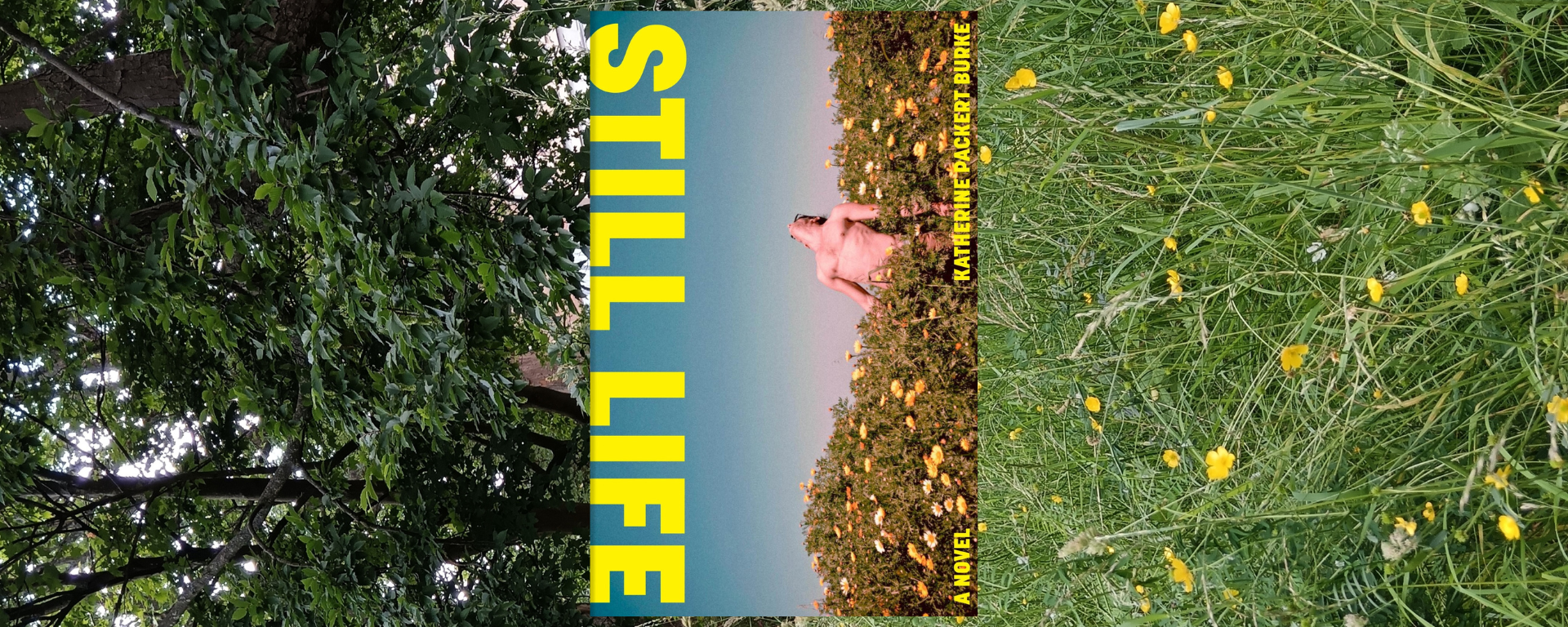
I was lucky to receive an advanced copy of Still Life by Katherine Packert Burke thanks to W W Norton & Co. It was described as a profound and piercing tribute to messy webs of queer friendship and to what is left behind in transition.
I definitely think the book succeeded in celebrating the power of queer friendships – particularly the strength of their fluidity. We follow Edith as she reflects on her friendships, which fluctuate from platonic to romantic and back again in the face of shared grief. They are her anchors as she searches for stability amongst so much change.
The book celebrates the effort it takes to maintain friendships despite geographical, mental or existential barriers. It’s about sharing your life with people who change and grow alongside you, and the importance of having people who remain there for you through it all. While it is a complicated story heavy with grief, identity and depression, it’s also real, loyal, sweet and warm.
Now bear with me while I get nerdy about musical theatre..
The influence of Stephen Sondheim is all over this book. Explicitly, of course, when Edith listens to the soundtracks on repeat and in the parallels drawn between certain Sondheim shows and the characters’ lives but also in the structure of the novel. Like Sondheim, Packert Burke plays with time in the storytelling, blending between the present and past memories in a fluidity that matches the relationships and identities that it describes. It’s Sondheim’s classic ‘content dictates form’ mantra in action.
It was interesting to me that Edith leans on Sondheim scores as a coping mechanism, especially Merrily We Roll Along in the first part of the novel. Edith and her friends mirrored Franklin, Charley and Mary and, like the musical, Edith wanted to go back in time to when their friendship was simple, good and balanced rather than the fragmented, lost and unhappy place they are in in the present.
In part two of the novel Edith listened to Into the Woods a lot and while it’s less explicit I think this is symbolic of how lost and scared she is, hiding in the dark woods while everyone else around her is going on a journey in pursuit of their wishes. By writing about the past instead of living in the present, Edith becomes the narrator while her friends progress. There’s also a potential alignment with the Witch as Edith coops up at home in the safety of her little world with Val, scared of the potential harm that’s out there when you show up as yourself in the woods. (I could be extrapolating but the Witch’s transformation may be symbolic of Edith’s transition too).
As we move into part three, Company comes into play (even though it’s only mentioned lightly). Edith starts to show more vulnerability and lets her friends in again, as they move forward with their future plans, they advise her to start participating in life again by moving cities, communicating with them again and finding new goals. Though it’s a short part of the novel, we see Edith complete this journey and we leave her ready to start a new life, open to new feelings and start being alive.
Thinking about Still Life through the Sondheim lens (and listening to those soundtracks alongside) greatly enhanced my reading experience as I found new connections and references. I really enjoyed considering his masterworks through new modern-day characters. Katherine Packert Burke’s novel speaks to Stephen Sondheim and as he said: ‘the last collaborator is your audience’ so putting it together as a reader made it feel like I was able to complete the collaboration.
Still Life by Katherine Packert Burke is published in the UK on 22 October 2024.
 What Katie Did Next